
The Rise of Michigan Muscle
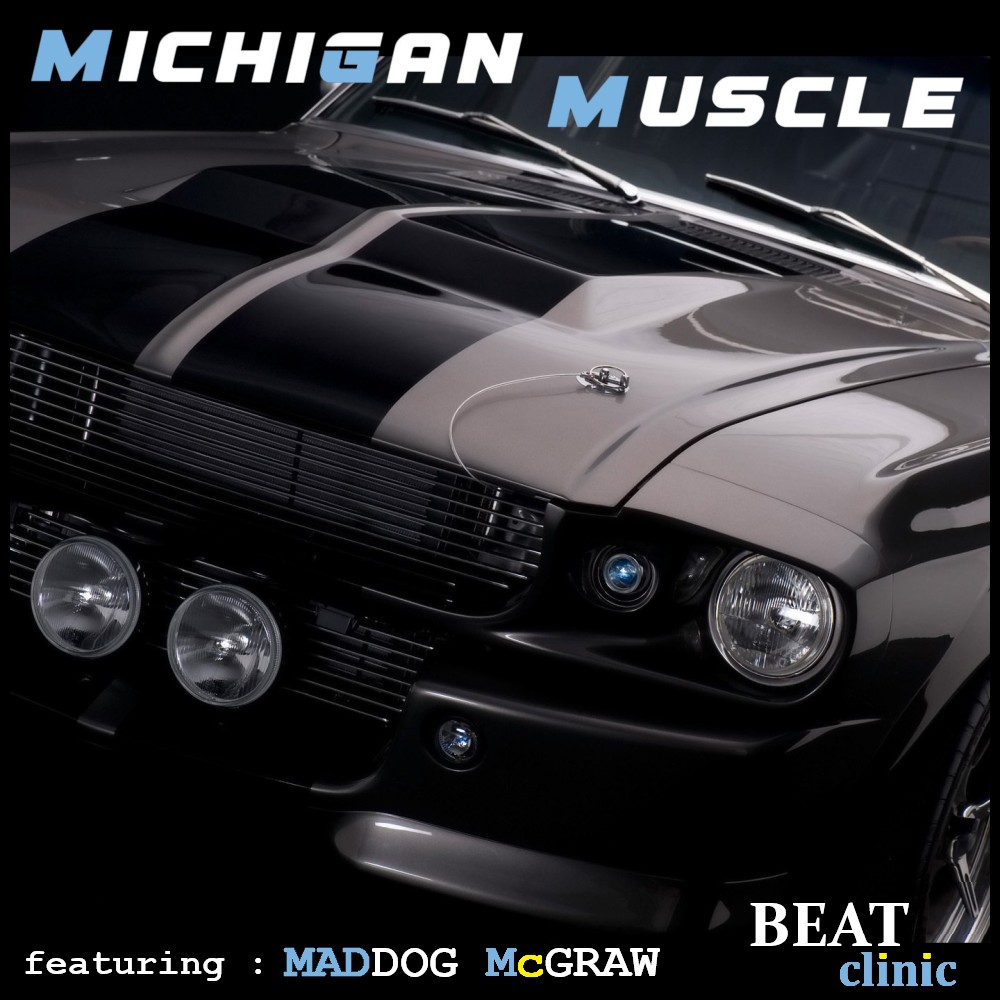
Picture this. It’s late summer in Michigan. The air carries that faint mix of motor oil, barbecue smoke, and anticipation of football season. On September 3, 2025, while mainstream hip hop flooded TikTok with quick hooks and forgettable 30-second earworms, a different kind of record quietly pulled up. No rented Lambos in Miami. No club gimmicks. Just raw bars, Detroit production, and Lansing grit. That record? “Michigan Muscle” by Maddog Mcgraw.
Produced by Beat Clinic out of Detroit and lyrically fueled by Mcgraw’s ferocity, Michigan Muscle is more than just a track—it’s a state anthem in the making. The kind of record you blast while cruising down I-96, windows cracked, bass rattling, feeling like Michigan itself is flexing through your speakers.


From the very first bar, the energy is undeniable. Mcgraw’s delivery channels Ja Rule’s grit, Busta Rhymes’ explosive cadence, and Vinnie Paz’s unapologetic rawness—yet still feels entirely his own. This isn’t imitation; it’s elevation. He’s taking pieces of the golden era, welding them with Midwest authenticity, and presenting hip hop in its purest form.
But why does this matter? Because hip hop, at its best, isn’t just about music. It’s about representation, storytelling, and cultural muscle. And in a world where Detroit has long been the heavyweight of Michigan rap, Maddog Mcgraw is putting Lansing on the map with unapologetic force.
The Cultural Weight of Michigan Hip Hop
Michigan hip hop didn’t just appear overnight. It’s got lineage, bloodlines, and roots deeper than Lake Michigan itself. From the soulful grooves of Motown to the experimental brilliance of J Dilla, Michigan has been shaping the soundscape of music for decades.
Detroit birthed Eminem, who broke the global gate wide open. It gave us Slum Village, Big Sean, Danny Brown, Dej Loaf, and Tee Grizzley—artists who carried both grit and melody. The underground scene, fueled by open mics, battles, and late-night radio sets from legends like The Electrifying Mojo, built a culture where authenticity was non-negotiable.
But Lansing? Too often overlooked. It doesn’t have the same global shine as Detroit, but that doesn’t mean it lacks power. Maddog Mcgraw represents the voice of the other Michigan—the capital city, the grind, the working-class reality. It’s the Lansing streets that birthed him, and it’s those same streets that fuel Michigan Muscle.
Where Detroit often represents the industrial hustle—the auto plants, the factories, the grit of survival—Lansing embodies a different flavor: resilience, community pride, and a hunger to carve its own space. With Michigan Muscle, Mcgraw bridges that gap, delivering a record that’s as much Lansing as it is Detroit.
The Anatomy of Michigan Muscle
Let’s break this track down like it’s a championship fight.
The Beat: Courtesy of Detroit’s Beat Clinic, the production is nothing short of heavy. Thumping basslines, sharp snares, and a groove that feels like a muscle car revving at the red light. This isn’t polished for pop radio—it’s built for the streets, gyms, and arenas.
The Lyrics: Mcgraw’s pen bleeds. He stacks similes, metaphors, and punchlines with surgical precision. Every bar feels like a flex. Yet, it’s not just aggression—there’s control. He weaves aggression with calmness, making it clear this isn’t his first sparring match with a beat.
The Flow: Smooth but raw. Aggressive but effortless. Think Busta Rhymes’ explosiveness, Ja Rule’s grit, and Vinnie Paz’s growl—but filtered through Lansing authenticity. Mcgraw isn’t just rapping—he’s commanding.
Structure: The hook punches hard and lingers long after the track fades. Verses build intensity, then pull back just enough to give listeners breathing space before hitting again. It’s that perfect balance between lyrical assault and sonic comfort.
This isn’t just a song—it’s a blueprint. The kind of record DJs can spin at block parties, arenas, or local rallies. It’s an anthem tailor-made for Michigan pride.
Echoes of Legends but Uniquely Mcgraw
Comparisons can be lazy if misused, but when Maddog Mcgraw is likened to Ja Rule, Busta Rhymes, and Vinnie Paz—it’s no exaggeration. It’s earned.
- Ja Rule: That gravelly grit, that edge that makes every bar feel lived in. Mcgraw taps into that, but without the early 2000s commercial gloss.
- Busta Rhymes: Explosive energy, the ability to switch cadence mid-bar, and that theatrical presence behind the mic. Mcgraw’s delivery hits with that same immediacy.
- Vinnie Paz: The raw, unapologetic aggression. Mcgraw doesn’t dilute or filter—he speaks it straight, bar for bar.
Yet, to stop there would be to miss the point. Mcgraw isn’t copying—he’s channeling. He’s taking echoes of these legends and embedding them in his own Midwest narrative. The result? A sound that feels familiar yet entirely new.
The Message Muscle as Metaphor
The title Michigan Muscle isn’t just clever wordplay. It’s layered.
On the surface, it’s about strength. Michigan’s strength. Lansing’s strength. Mcgraw’s strength. But dig deeper, and you see how “muscle” operates as a metaphor for resilience.
- Economic muscle: Michigan has taken its hits—auto industry collapse, unemployment, Flint’s water crisis—but it keeps fighting.
- Cultural muscle: From Motown to Eminem to J Dilla, Michigan’s contribution to culture has been unmatched.
- Personal muscle: Mcgraw himself—years of grind, sharpening his skills, refusing to compromise.
The track embodies that struggle and triumph. Every bar feels like a gym rep. Every beat drop feels like steel hitting pavement. Michigan Muscle isn’t just a song—it’s a declaration.
Maddog Mcgraw The Man Behind the Bars
To understand Michigan Muscle, you’ve got to understand Maddog Mcgraw.
Raised in Lansing with southern family roots, Mcgraw’s artistry reflects versatility. He’s not just about bars. He can storytell with vivid imagery, deliver sensual grooves, or snap into rugged battle mode without missing a beat. That range makes him dangerous in a game where most artists stay stuck in one lane.
His upcoming album, Grumpy Old Man 3, exclusively produced by Sam Da Grouch, promises to showcase that versatility. If Michigan Muscle is the teaser, then the album is shaping up to be a masterclass in range and authenticity.

The persona of “Maddog” isn’t a gimmick. It’s a reflection. Like DMX before him, Mcgraw embodies both rage and vulnerability. Like Scarface, he mixes street tales with introspection. Like Jadakiss, his bars are uncompromising.
In short, Mcgraw is a student of the culture—but one who’s ready to become a teacher.
Golden Era Revival in 2025 Context
Why does Michigan Muscle hit so hard right now? Because the culture is starving.
We live in a TikTok era where attention spans barely stretch past 15 seconds. Records are built for virality, not longevity. But hip hop’s golden era—late 80s through the 90s—was about substance. Bars that mattered. Beats that slapped. Culture that resonated.
Mcgraw taps into that. Not as nostalgia bait, but as revival. He’s reminding listeners why golden-era hip hop still matters. Why those bars still hit. And why authenticity never goes out of style.
Michigan Muscle isn’t just a throwback—it’s proof that the golden era never died. It’s been waiting. And Mcgraw just kickstarted its heartbeat again.
Legal and Industry Implications
Now let’s talk business.
A record like Michigan Muscle isn’t just a cultural weapon—it’s a commercial one. But only if handled properly.
- Copyright & Publishing: Mcgraw should immediately ensure both lyrics and production are copyrighted. Publishing splits with Beat Clinic must be clearly defined to avoid future disputes.
- Trademarking: The phrase “Michigan Muscle” itself is marketable. Trademark it. Imagine merch, gym tie-ins, sports branding. The name alone carries weight.
- Licensing Potential: This record screams sync licensing. Think ESPN highlight reels, NFL Detroit Lions promos, NCAA Michigan State rallies. It’s an anthem waiting for licensing deals.
- Streaming Strategy: With Spotify, YouTube, and TikTok domination, Mcgraw must balance authenticity with digital marketing. A TikTok challenge around “muscle flex” visuals could bridge old-school bars with new-school engagement.
This isn’t just music—it’s business. Handle it right, and Michigan Muscle becomes more than a record. It becomes a brand.
Michigan Muscle on the Global Hip Hop Map
Globally, hip hop fans are thirsty for authenticity. Europe, in particular, eats up gritty American rap. UK drill, German trap, and French rap have exploded because they embraced authenticity.
Michigan Muscle fits that mold perfectly. It’s raw, real, and region-specific—which ironically makes it globally appealing. Fans in Berlin, London, and Paris aren’t looking for watered-down pop rap. They’re looking for bars that bleed. Mcgraw delivers.
Collaboration potential? Endless. Imagine Maddog Mcgraw with Griselda (Buffalo), Tech N9ne (Midwest king), or even UK drill stars. The cross-regional synergy would amplify his reach.
Section IX Final Verdict and Cultural Call
This isn’t just another underground drop. Michigan Muscle is a statement.
A statement that Lansing matters. That Michigan hip hop is bigger than Detroit alone. That golden-era authenticity still has a place in 2025. That raw bars, delivered with passion and skill, will always cut through algorithmic noise.
It’s a 10 out of 10. Not just for technical execution, but for cultural weight.
Conclusion Legacy in Motion
Where does Maddog Mcgraw go from here? The answer is forward—always forward. Michigan Muscle plants him firmly on the map, not just as a Michigan artist, but as a representative of hip hop’s enduring muscle.
In a world where the art form sometimes feels diluted, Mcgraw is proof that hip hop’s DNA—its muscle—still exists in its rawest form.
And when history looks back at Michigan’s contributions to hip hop, don’t be surprised if Michigan Muscle sits proudly alongside Motown, J Dilla, and 8 Mile as another chapter in the state’s cultural legacy.
Because when Maddog flexes, Michigan flexes with him.








You must be logged in to post a comment.